

When Is the Best Time to Lay Concrete?
Pouring concrete is an integral part of any construction project, so getting it right is always important. Whether you’re working on a household garden project or you need concrete for a large commercial development, at Chorley Concrete, we regularly provide quality concrete of all types to our customers, and we can help make sure you get the pour right the first time. This includes advising on the best time to lay your concrete.
In this article, we’ll explain the optimum conditions for pouring concrete as well as outline some of the challenges that different weather conditions may cause.
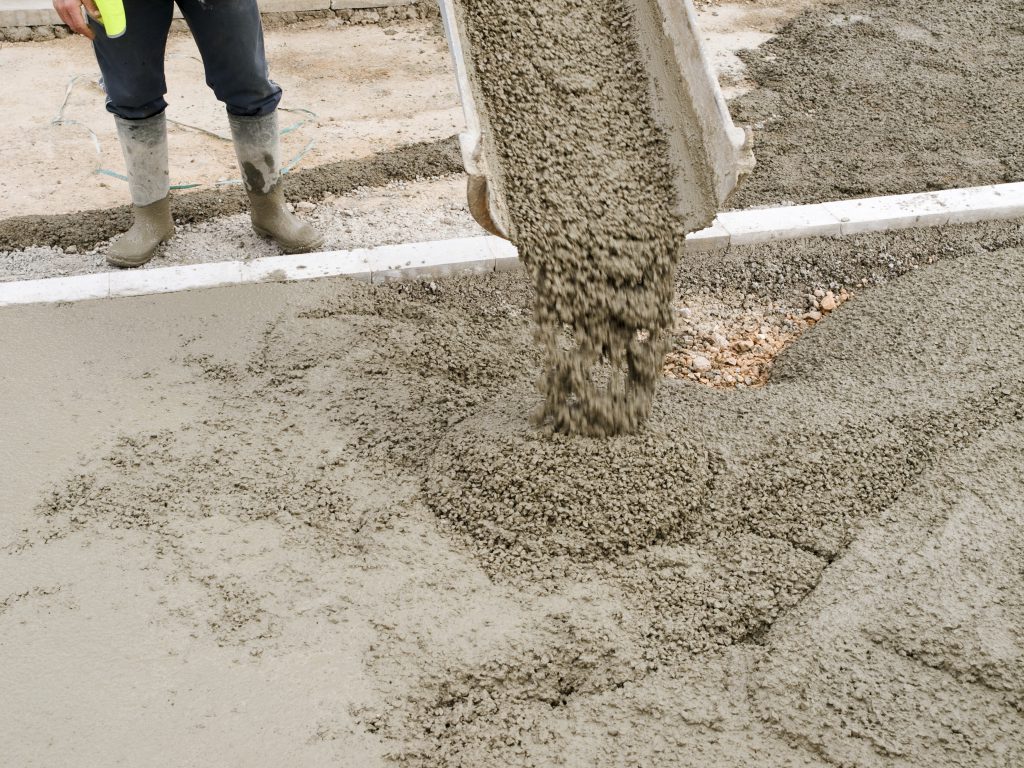
How to find the best time to lay concrete
While there are no strict concrete seasons or formal times when pouring concrete is considered best, there are some things to consider to make sure you’re giving your concrete the best opportunity to set and perform to its desired quality.
- Time of day – Laying concrete early in the morning or later in the evening are generally considered the best times of day. This is because they avoid the hottest part of the day, as the heat can sometimes cause problems.
- Time of year – There isn’t really a best time of year to pour concrete, but optimal temperatures tend to be between 10°C and 21°C. This means that the milder months of spring and early autumn, when temperatures are more stable, are often preferable.
- Weather conditions – It is best to pour concrete when the weather is stable. Intense heat, freezing cold and severe rain can all make it more difficult for concrete to set once it has been poured.
Challenges of pouring concrete in summer heat
It is generally recommended that you avoid pouring concrete if the temperature exceeds 21°C, and it must never be done if it is more than 30°C. This is because pouring concrete in the summer heat can cause:
- Rapid evaporation – Water in the mix may evaporate too quickly, making the concrete unworkable and hard to pour.
- Cracking – High temperatures can cause the concrete surface to shrink rapidly, making cracks occur.
- Accelerated drying times – While this might seem like a positive, if the concrete dries too quickly, the quality of the final product can be compromised.
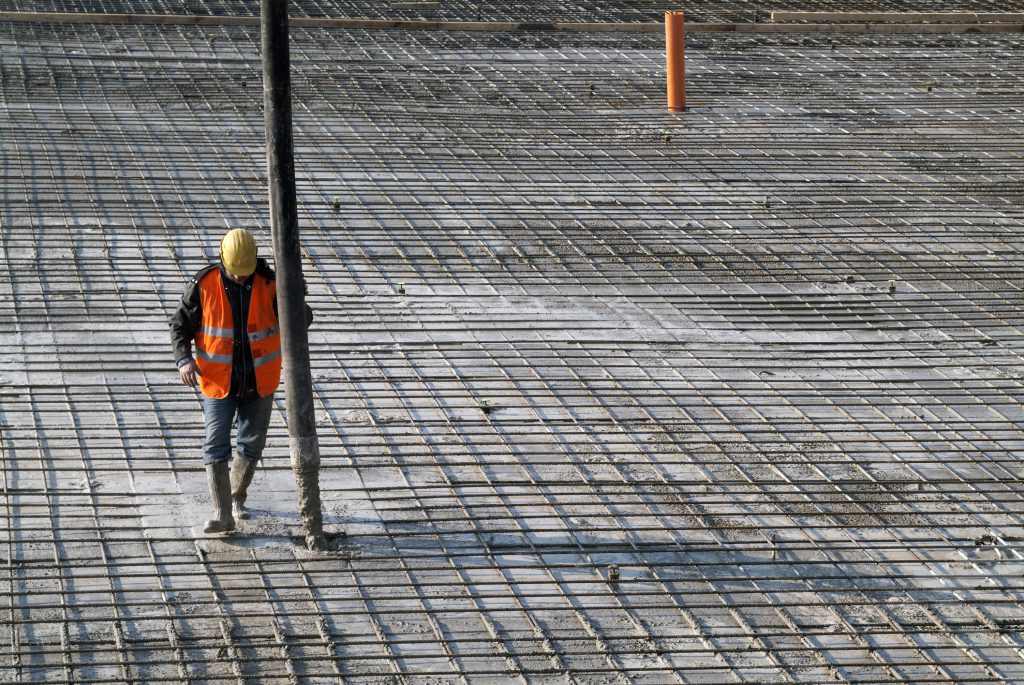
Challenges of pouring concrete in cold or rainy weather
Pouring concrete during cold or rainy weather can also come with its own problems. If the ground is icy or snowy, or the temperature drops below 5°C, you should not pour concrete.
Some problems with laying concrete in winter can include:
- Reduced strength – If your mix gets too wet due to rain, it can reduce the strength of the concrete.
- Frozen concrete – If it is too cold, the water in the concrete can freeze. In extreme cases, this can cause cracks to form.
- Slow curing – Cold temperatures can slow down the curing process, which means it’ll take longer for the concrete to harden.
You should carefully consider the weather conditions before pouring a concrete mix to ensure it can set properly and the process does not need to be repeated. At Chorley Concrete, we work with domestic and commercial customers across Wigan, Chorley, Preston, Manchester and the surrounding areas. As well as providing a comprehensive range of concrete services, we can also advise on how best to pour. We even offer concrete pumping to make the process easier. Contact our team today to find out more.